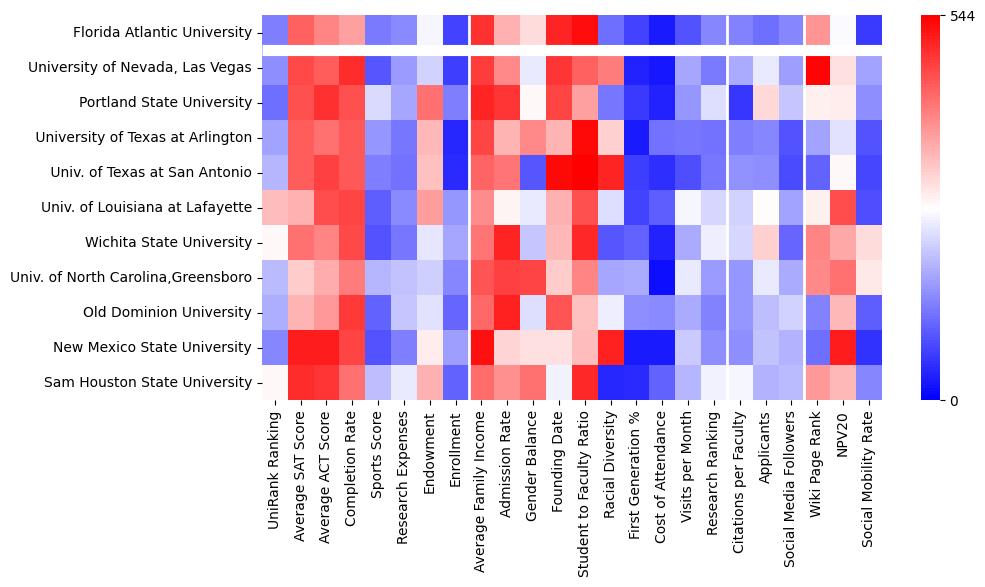
Florida Atlantic University (FAU) was established in 1961 and opened its doors in 1964 as the first public university in southeast Florida. Situated in Boca Raton, with additional campuses throughout the state, FAU serves a diverse student body of over 30,000 students, offering a wide range of undergraduate, graduate, and doctoral programs. The university has rapidly expanded since its inception, now featuring ten colleges and a strong focus on research, innovation, and community engagement. Over the years, FAU has grown from a small regional institution into a respected university known for its commitment to providing accessible education while fostering an inclusive environment.
FAU stands out for its dedication to research and innovation, particularly through its Adam Center for Entrepreneurship, which supports budding entrepreneurs with resources and mentorship. The university is also home to the Harbor Branch Oceanographic Institute, a leader in marine science research. FAU's location in the heart of South Florida provides unique opportunities for students to engage in diverse cultural, economic, and environmental studies, leveraging the region's unique ecosystems and vibrant industries. The university has been recognized for its efforts in fostering a diverse and inclusive campus, recently earning the Higher Education Excellence in Diversity (HEED) Award.
Academically, FAU offers robust programs across various disciplines, with particular strengths in business, engineering, and oceanography. The College of Business is renowned for its MBA program, which is consistently ranked among the best in the nation. The College of Engineering and Computer Science provides cutting-edge research opportunities in fields such as artificial intelligence and cybersecurity. Additionally, FAU's Charles E. Schmidt College of Medicine is gaining recognition for its innovative approaches to medical education and research. These programs benefit from both experienced faculty and strategic industry partnerships that enhance learning and career prospects for students.
While FAU offers many positives, it faces challenges typical of rapidly growing institutions. Some students have pointed to issues with administrative processes, such as registration and financial aid, suggesting the need for improved efficiency and communication. The university's relatively young age means it lacks the extensive alumni network that older universities might offer, which can impact networking opportunities. Additionally, the campus, while modern and well-maintained, may not have the traditional collegiate atmosphere some students seek. Despite these challenges, FAU continues to make strides in improving student services and expanding its academic reputation.